2027 ODI World Cup Build-Up: Bilateral ODI Counts for India and Contenders
A July 21 Cricket News report carried on Yahoo Sports laid out the bilateral ODI blocks major teams still have before the 2027 tournament in South Africa and Zimbabwe. India sit on the heaviest confirmed load among the big sides, Pakistan sit on none for the rest of 2026, and a single rankings date in September now anchors automatic qualification.
· CricDost News Desk · 9 min read
Compliance Notice: CricDost is a skill-based fantasy sports platform operating in India. This product is available only to users 18+ in permitted states. Fantasy sports involve skill and strategy; outcomes depend on real-world match performance. Please play responsibly. Check local regulations before participating.
Fourteen Teams, One Rankings Date, and a Crowded Bilateral Window
The next men’s ODI World Cup expands to 14 teams, up from the 10-team fields of the last two editions. South Africa and Zimbabwe qualify automatically as co-hosts. Beyond the hosts, the top eight sides in the ICC men’s ODI rankings on September 30, 2026, lock direct entry. Four more berths will be decided at the ODI World Cup Qualifier in summer 2027, a field that mixes the next two teams on the rankings list with the top four from Cricket World Cup League Two and the top four from the Qualifier Play-Off.
That structure turns the remaining bilateral ODIs of late 2026 and early 2027 into more than warm-up cricket. For sides already sitting inside the top eight, the series are about combinations, workload and form. For sides hovering near the cut line, every rubber carries ranking points and public pressure. The schedule snapshot published on July 21 does not claim to be the final FTP for every board, but it is the clearest public ledger of confirmed three- and five-match blocks currently on the books.
For Indian readers the headline number is straightforward: four home or away ODI series totaling 14 matches sit between now and the early-2027 window, starting with West Indies at home in late September. That volume sits above Australia’s nine confirmed ODIs, England’s nine, Sri Lanka’s nine and New Zealand’s eight in the same reporting window, and it dwarfs Pakistan’s zero for the remainder of 2026.
India’s 14-Match Ledger Through Early 2027
India’s confirmed path runs West Indies (home), New Zealand (away), Sri Lanka (home) and Zimbabwe (home). The West Indies series is scheduled for three ODIs from September 27 to October 3. The New Zealand tour is the only five-match ODI block on India’s list, running November 4 to 15. Sri Lanka visit for three ODIs from December 13 to 19. Zimbabwe arrive for three ODIs from January 3 to 9.
Series
ODIs
Dates
West Indies tour of India
3
Sept. 27 – Oct. 3
India tour of New Zealand
5
Nov. 4 – Nov. 15
Sri Lanka tour of India
3
Dec. 13 – Dec. 19
Zimbabwe tour of India
3
Jan. 3 – Jan. 9
Three of the four series are at home, which keeps travel stress low for the bulk of the block, but the New Zealand leg is the one that tests rotation. Five ODIs in roughly 12 days in southern-hemisphere conditions is the closest dress rehearsal India will get for a multi-week World Cup before the ranking cut-off lands. Selectors who want to trial a second new-ball pair or a middle-overs spinner will find more room there than in a three-match home rubber against a weaker attack.
The West Indies home series lands only three days after the September 30 rankings freeze. Results there will not change automatic qualification, but they will open the post-cut-off phase of World Cup planning: settled XIs, death-bowling roles, and which batters own the middle overs. Sri Lanka in December and Zimbabwe in January then become finishing schools rather than ranking contests, assuming India remain inside the top eight where they currently sit.
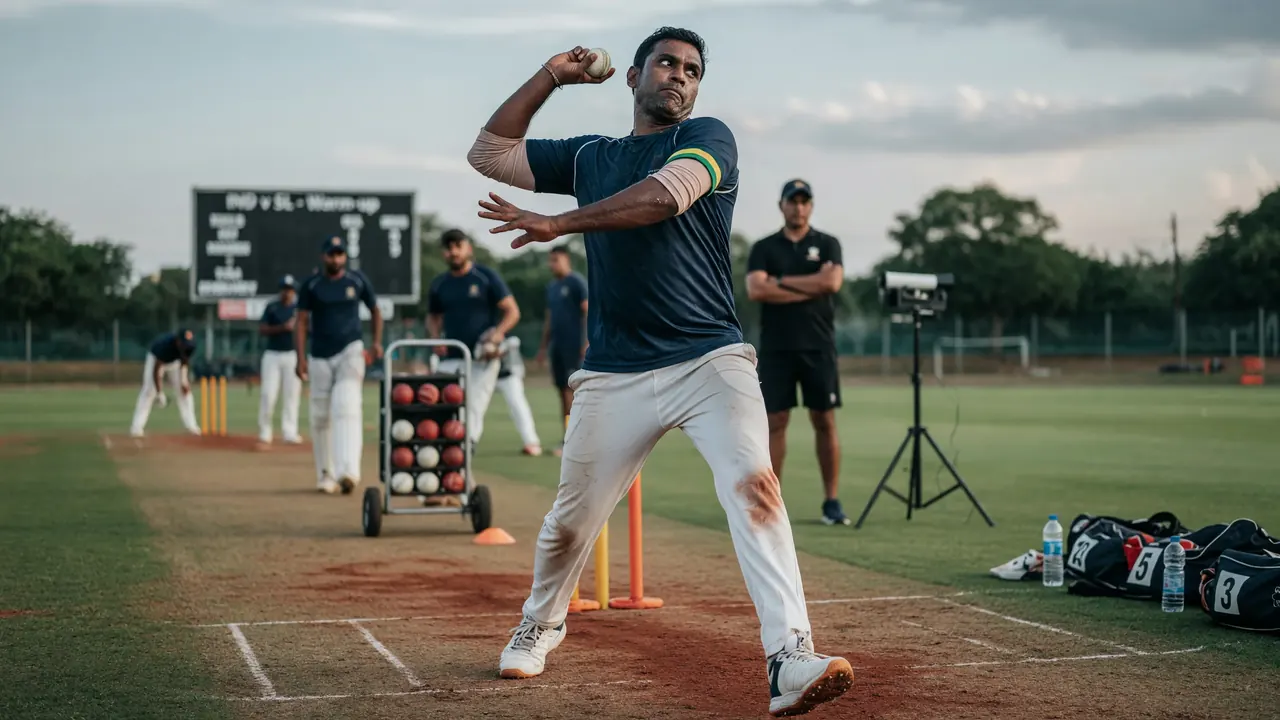
Coaching staff and senior players are already mapping series blocks against the September rankings freeze and the longer World Cup workload that follows.
Co-Hosts Rehearse at Home: South Africa and Zimbabwe
South Africa host three three-match ODI series across the window. Australia visit from September 24 to 30, Bangladesh from December 1 to 7, and England from January 10 to 15. Nine home ODIs against three different styles of attack give the Proteas a controlled environment to lock fielding units and finish bowling plans on the surfaces they will later use in the tournament itself.
Zimbabwe’s confirmed list is thinner but strategically placed. They host Australia for three ODIs from September 15 to 20, then tour India for three ODIs from January 3 to 9. The Australia home series is a rare high-profile ODI block for the co-hosts before the ranking date; the India tour is a late stress test against a full-strength batting order on subcontinental pitches. As automatic qualifiers, neither host needs ranking points from these series, yet both need match sharpness that League Two cricket cannot fully supply.
Australia’s Compressed September and England Away
Australia pack six ODIs into a single September window before finishing the year at home against England. The Zimbabwe tour runs September 15 to 20. The South Africa tour follows immediately, September 24 to 30. England then visit Australia for three ODIs from November 13 to 18. Nine ODIs total, six of them away against the two co-hosts in a two-week span, is the densest travel block on any major side’s list.
That double-header matters for more than fitness. Australia will walk into World Cup venues with recent match data from both host boards, including bowling plans against local conditions and a clearer read on which all-rounder combinations hold up across back-to-back series. The England home series in November is the recovery block: three ODIs without long-haul travel, useful for settling a middle order after the African swing.
England and Sri Lanka Share a Three-Leg Pattern
England’s confirmed path mirrors a clean three-leg loop. They host Sri Lanka for three ODIs from September 22 to 27, tour Australia from November 13 to 18, then tour South Africa from January 10 to 15. Nine ODIs, two of them on the eventual World Cup continent, keep England in regular 50-over cricket without the five-match grind India faces in New Zealand.
Sri Lanka run the inverse of that loop plus a subcontinental leg. They tour England from September 22 to 27, tour India from December 13 to 19, and tour New Zealand from January 16 to 22. Nine away ODIs across three continents is a hard ask for a side that has spent recent cycles managing seam and spin balance with a thinner squad depth than India or Australia. The India series in December is the ranking-relevant rubber if Sri Lanka are still fighting near the automatic cut; the New Zealand leg in January is pure preparation once the September freeze has already decided who travels as a top-eight side.
New Zealand’s India Block and the January Sri Lanka Series
New Zealand host India for five ODIs from November 4 to 15, then host Sri Lanka for three ODIs from January 16 to 22. Eight home ODIs, zero confirmed away ODIs in this snapshot, give the Black Caps the opposite problem to Sri Lanka: plenty of control over venues and recovery, less exposure to foreign conditions before a World Cup staged in southern Africa.
The five-match India series is the centrepiece. It is also the series most likely to move ranking points in bulk if either side sits near a boundary line in November, though both currently sit high enough that the bigger story is combination testing. For India it is the away stress test. For New Zealand it is a prolonged look at death bowling and middle-order stability against the No. 1 ranked ODI side as of July 2026.
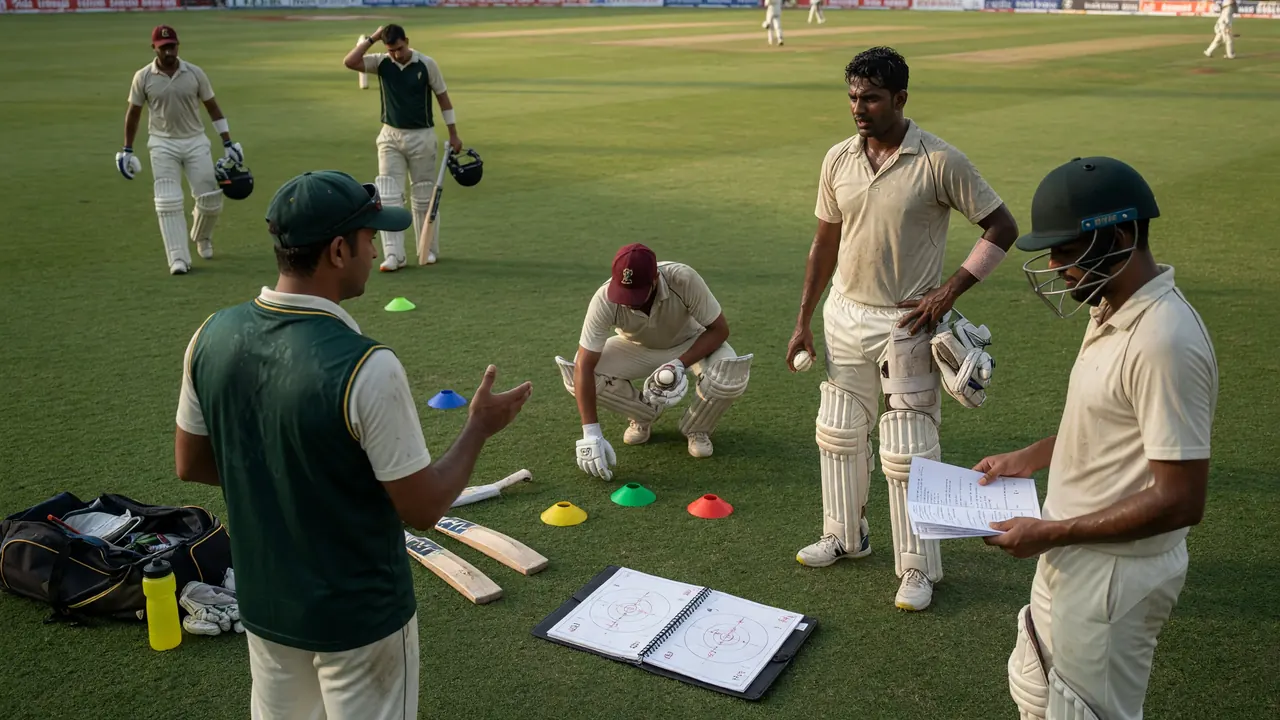
Field-setting drills and role clarity matter more when boards already know how many ODIs they will get before the cut-off.
Pakistan’s Blank Remainder of 2026
As of the July 21 report, Pakistan had no ODIs scheduled for the rest of 2026. That is the starkest line in the ledger. A side sitting fifth on the July 2026 ODI table still needs match practice, ranking maintenance and public proof of combinations. An empty second half of the year does not automatically push Pakistan out of the top eight by September 30, but it does mean their ranking will move only when other sides play and when any late additions appear on the FTP.
Boards can still announce series after a mid-July snapshot. Until they do, Pakistan are the outlier among the traditional full-member ODI sides covered in the report: everyone else has at least one confirmed block, and most have three. For fans tracking qualification maths, the practical effect is simple. Watch whether a late 2026 series is added before the freeze. If it is not, Pakistan will enter the cut-off date with a frozen recent record while rivals bank results through September.
Where the Ranking Table Stood in July 2026
The same report published the ICC men’s ODI team rankings as of July 2026. India led on 116 rating points, followed by New Zealand (111), Australia (102), South Africa (102), Pakistan (100), Sri Lanka (96), England (93), Afghanistan (90), Bangladesh (83) and West Indies (75). South Africa’s host berth means their ranking position is less about entry and more about seeding context. The live fight for automatic spots sits around the eighth place currently held by Afghanistan, with Bangladesh and West Indies outside the cut on that July snapshot.
Rankings move with results and with the weighting of recent series. That is why the September Australia–South Africa and Australia–Zimbabwe blocks, the England–Sri Lanka home series, and any late additions for sides near the line will matter more than the early-2027 home series that fall after the freeze. India’s West Indies series starts just before the cut-off ends, so only the earliest of those three ODIs can still influence the September 30 table if the freeze is applied to matches completed by that date; boards and the ICC will apply the published cut rules as written when the day arrives.
What the Qualifier Path Still Demands
Four World Cup berths remain outside host status and the top-eight freeze. Those places will be filled at the summer 2027 Qualifier. The entrants are defined as the next two teams on the men’s ODI rankings, the top four from Cricket World Cup League Two, and the top four from the Qualifier Play-Off. That mix keeps a path open for Associate sides and for full members who miss the September cut.
For a side such as Bangladesh or West Indies on the July table, the calendar is therefore a two-track problem. Track one is the bilateral series that can still lift them into the top eight before September 30. Track two is continuous League Two or play-off readiness if the freeze leaves them outside. The July schedule snapshot focuses on bilaterals among the bigger boards; it does not replace the League Two table, which will keep updating on its own calendar through the cycle.
Match-Up Clusters Indian Fans Should Mark
Three clusters stand out for anyone following India’s road and the wider qualification picture. First is mid-to-late September: Australia in Zimbabwe, Australia in South Africa, Sri Lanka in England, then India’s West Indies series overlapping the rankings freeze. Second is November: India’s five ODIs in New Zealand and England’s three in Australia, two blocks that will dominate form conversation even if automatic spots are already settled. Third is January: Zimbabwe in India, England in South Africa, and Sri Lanka in New Zealand, the last major bilaterals before the longer Qualifier summer begins for sides still chasing entry.
Those clusters also shape fantasy and form tracking for ODI contests when boards publish squads. A five-match New Zealand series spreads captaincy and bowling-workload data across more overs than a three-match home rubber. A compressed Australia double-header in Africa can spike injury risk and force second-string seam options into the XI. An empty Pakistan calendar, if it stays empty, removes a usual source of subcontinental ODI data from the second half of 2026.
Broader cricket updates and related match notes continue to land in CricDost cricket news as squads and series confirmations firm up through the cut-off.
What Comes Next on the Calendar
The next confirmed high-profile ODI block in the published list is Australia’s three-match tour of Zimbabwe from September 15 to 20, followed within days by Australia in South Africa and Sri Lanka in England. India’s campaign in this window opens with West Indies at home from September 27. Between now and those dates, the only ranking movement that can still reshape the automatic field is whatever bilaterals are added or completed before September 30.
Until boards amend the FTP, the July 21 ledger remains the working map: India on 14 ODIs, Australia, England and Sri Lanka on nine each, New Zealand on eight, South Africa on nine at home, Zimbabwe on six, and Pakistan on zero for the rest of 2026. The World Cup itself is still a year away, but the qualification maths now run on a short fuse.
Frequently Asked Questions
How many teams will play the 2027 ODI World Cup?
Fourteen teams will take part, up from 10 in the previous two editions. South Africa and Zimbabwe qualify as co-hosts. Eight more sides qualify from the ICC men’s ODI rankings on September 30, 2026. Four places are decided at the 2027 Qualifier.
How many bilateral ODIs is India scheduled to play in this window?
Fourteen across four series: three against West Indies at home, five in New Zealand, three against Sri Lanka at home, and three against Zimbabwe at home.
When is the automatic qualification cut-off?
The top eight teams in the ICC men’s ODI rankings on September 30, 2026, qualify directly, alongside the two hosts.
Does Pakistan have any ODIs left in 2026?
As of the July 21, 2026 report, Pakistan had no ODIs scheduled for the remainder of 2026. Later announcements could still change that picture.
Which series does South Africa host before the World Cup window?
South Africa host Australia (Sept. 24–30), Bangladesh (Dec. 1–7) and England (Jan. 10–15), three ODIs each.
Where will the remaining four World Cup spots be decided?
At the ODI World Cup Qualifier in summer 2027, involving the next two teams in the ODI rankings, the top four from Cricket World Cup League Two, and the top four from the Qualifier Play-Off.